Transducers are the unsung heroes of the fitness world. They bridge the gap between the physical and digital realms, turning effort into information. Whether you’re measuring heart rate, speed, or resistance, these components make it all possible.
The Hidden Technology Behind Your Workout
When you step onto a treadmill or lift a set of smart weights, you’re interacting with far more technology than meets the eye. Modern fitness machines are no longer just about metal, motors, and movement — they’re about data. Somewhere inside that sleek gym equipment lies a crucial component translating physical motion into measurable performance data: transducers.
What Exactly Are Transducers?
In simple terms, a transducer is a device that converts one form of energy into another. In fitness technology, this often means turning mechanical or physiological activity into electrical signals. These signals are then processed by the equipment’s onboard computer or connected app to provide real-time feedback.
For example, when you press down on an exercise bike pedal, a transducer measures the force you apply and converts it into data about your power output. Similarly, pressure sensors under a treadmill belt can record speed and stride length, helping you refine your performance.
Transducers in Everyday Fitness Equipment
1. Treadmills: From Steps to Stats
Modern treadmills rely heavily on transducers to monitor speed, incline, and even gait. Load cells and rotary encoders work together to calculate how fast the belt is moving and how hard you’re pushing against it. Some high-end models even use vibration transducers to assess running form and impact levels, helping to reduce injury risk.
2. Exercise Bikes: Measuring Power and Performance
Cycling machines use torque and strain gauge transducers to detect pedal force and rotation speed. These readings determine your wattage — a key performance metric used by professional cyclists. The more accurate the transducer, the more reliable your training data becomes, which is why brands invest heavily in calibration and sensor design.
3. Rowing Machines and Ellipticals: Synchronising Motion
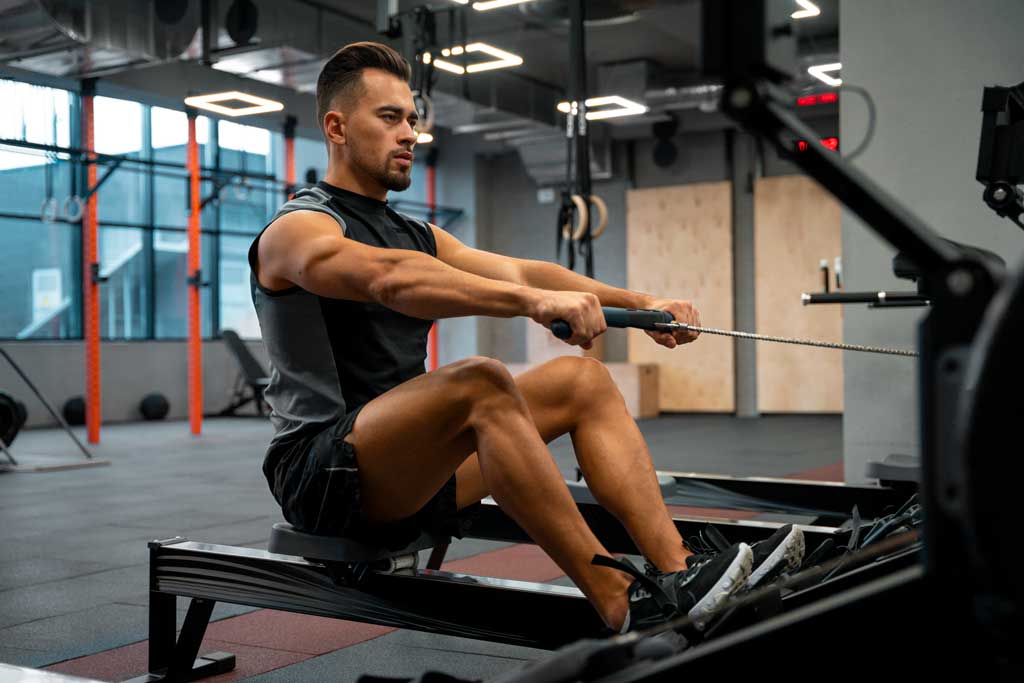
In rowing machines, linear position transducers track handle movement and acceleration, ensuring your digital display mirrors your actual stroke performance. Ellipticals employ similar technology to measure stride and resistance, delivering a smooth, synchronised experience.
4. Smart Weights and Resistance Machines: Intelligent Feedback
The latest generation of connected strength-training systems use force and displacement transducers to calculate exactly how much load you’re lifting — and how consistently. This allows apps to offer form corrections, track fatigue, and suggest optimal weight adjustments in real time.
Why Transducer Accuracy Matters
When you’re chasing progress, every data point counts. A minor inaccuracy in resistance or speed measurement can throw off your entire training plan. High-quality transducers provide precise readings, which in turn allow fitness algorithms to give accurate feedback and performance insights.
In elite sports training, precision isn’t just useful — it’s essential. Athletes depend on transducer data to optimise technique, manage recovery, and prevent overtraining. The same technology is now accessible to everyday gym-goers, empowering them to train smarter, not just harder.
The Role of Transducers in Smart Fitness Evolution
From Gym Floor to Cloud-Based Training
Transducers aren’t just limited to standalone equipment anymore. In smart gyms and connected home setups, data from transducers is uploaded to cloud platforms and fitness apps. This integration enables long-term tracking, AI-driven coaching, and even virtual competitions.
As fitness merges with technology, transducers are becoming smaller, faster, and more sophisticated — capable of detecting micro-movements and subtle shifts in performance that would have been impossible to measure a decade ago.
How Transducers Are Shaping the Future of Fitness
The future of fitness is data-driven, and transducers are the foundation. Expect to see wearable sensors that sync seamlessly with gym equipment, transducers that detect fatigue levels from muscle vibration, and real-time analytics that adapt workouts on the fly.
These innovations will make training more personalised than ever — helping everyone, from weekend runners to professional athletes, reach their potential safely and efficiently.
Final Thoughts: Small Devices, Big Impact
Transducers may be small, but their impact on the fitness industry is huge. They enable precision, accountability, and innovation in ways that were once reserved for elite sports science labs. The next time you step on a treadmill or lift a smart weight, remember — it’s not just you putting in the work. The transducers are right there with you, translating effort into progress.